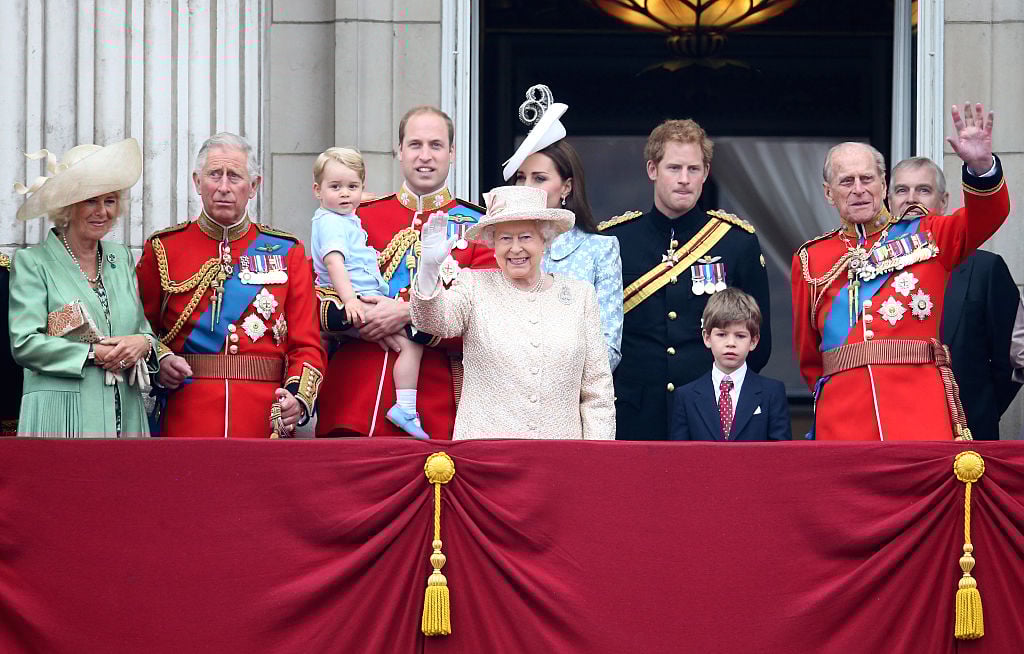
Recent revelations about Prince Andrew’s finances have shed light on the true wealth of the British royal family. Contrary to popular belief, many royals do not enjoy personal fortunes, with significant assets held in trust for the nation. Only two family members, King Charles and Prince William, possess substantial private wealth generated from historical estates. This article explores the misconceptions surrounding royal finances and the actual structure of their wealth.
The Misconception of Royal Wealth
Many people assume that every member of the British royal family enjoys immense personal fortune due to their lavish lifestyles in grand castles and palaces. However, this assumption is misleading. Most of the iconic assets associated with the monarchy—such as Buckingham Palace, Windsor Castle, and the Crown Jewels—are not privately owned. These properties are held in trust for the UK, and cannot be sold or accessed for personal gain.
In truth, most extended members of the royal family do not receive taxpayer support for their personal living expenses. For instance, Princesses Beatrice and Eugenie, daughters of Prince Andrew, are financially independent, having secured corporate jobs in the private sector. Beatrice serves as the Vice President of Partnerships & Strategy at Afiniti, while Eugenie is a director at the Hauser & Wirth art gallery in London. This starkly contrasts the financial realities of only two royals—King Charles and his heir, Prince William—who maintain immense private wealth.
The Crown Estate and Its Implications
Understanding royal wealth necessitates a look into the Crown Estate, a property portfolio valued at over £15 billion, which has been intricately tied to the monarchy since the 18th century. In 1760, King George III entered a financial arrangement with Parliament that surrendered the income from the Crown Estate in exchange for state funding to support royal duties. As a result, profits generated by these lands flow to the UK government, with a percentage returned to the monarchy through the Sovereign Grant, intended to cover official expenses, palace maintenance, and travel.
However, crucially, this funding is not regarded as personal income for the King. He cannot sell or leverage royal assets for personal gain. For the fiscal year 2024-25, the Sovereign Grant is set to increase from £86.3 million to £132.1 million. Yet it is important to recognize that these funds primarily serve official needs rather than feeding into the private wealth of the royals.
The Duchies: Sources of Private Wealth
The primary sources of personal wealth for King Charles and Prince William are the Duchies of Lancaster and Cornwall. The Duchy of Lancaster, a private estate established in the 13th century, generates substantial annual income, estimated between £24 and £27 million. This income flows directly to the King as private assets, commonly referred to as the Privy Purse. Similarly, the Duchy of Cornwall, which Prince William oversees, boasts net assets exceeding £1 billion and provides him with significant financial resources—approximately £23.6 million in the 2023-2024 fiscal year alone.
Interestingly, while the succession laws surrounding the Duchy are being modernized, a loophole persists whereby only the male heir, traditionally the eldest son, can own the Duchy. This legal antiquity has significant implications for female heirs, who, under contemporary legislation, would receive the income generated by these estates without holding the titles.
Conclusion: The Illusion of Royal Opulence
The public perception of the British monarchy as a wealthy dynasty is not entirely accurate. The most glittering assets belong to the nation, while personal wealth is largely confined to King Charles and Prince William, derived from historical estates. This stringent financial structure does not extend support to other royals, such as Prince Andrew or Princess Beatrice, leaving them to seek personal avenues for financial security. Behind the facade of regal luxury lies a stark reality: the British royal family functions as a tightly knit billionaire club with limited membership.

Meet William, a proud Bethel University alumnus with a fervent passion for lifestyle and culture topics. His keen interest doesn’t stop there; he’s also deeply engrossed in current events of all kinds. William dedicates himself wholeheartedly to this site, thriving on the collaborative energy he shares with Suzanne, his long-standing partner in crime.
Having navigated their university courses side by side for years, their teamwork on the site is nothing short of dynamic. Together, they bring a unique blend of insights, proving that two heads are indeed better than one in delivering compelling content.