In the realm of Hollywood blockbusters, few franchises have had as vibrant a resurgence as Batman. Once teetering on the brink of obscurity, the character was revitalized in the late 1980s, largely thanks to a series of bold decisions that set the stage for a multimillion-dollar franchise. At the heart of this revival was Jack Nicholson’s iconic portrayal of the Joker, a role defined by an unprecedented contract that forever changed the industry landscape.
Reviving a Dying Franchise
By the time “Batman” was set for production in 1989, the franchise had nearly faded into irrelevance, overshadowed by the campy 1960s television series featuring Adam West. Warner Bros. took a bold step by entrusting the film to Tim Burton, an emerging director known mainly for his quirky comedies like “Pee-wee’s Big Adventure” and “Beetlejuice.” To the surprise of many, Burton cast Michael Keaton—known more for his comedic roles, such as in “Mr. Mom”—as Batman, which left seasoned fans skeptical about the film’s prospects.
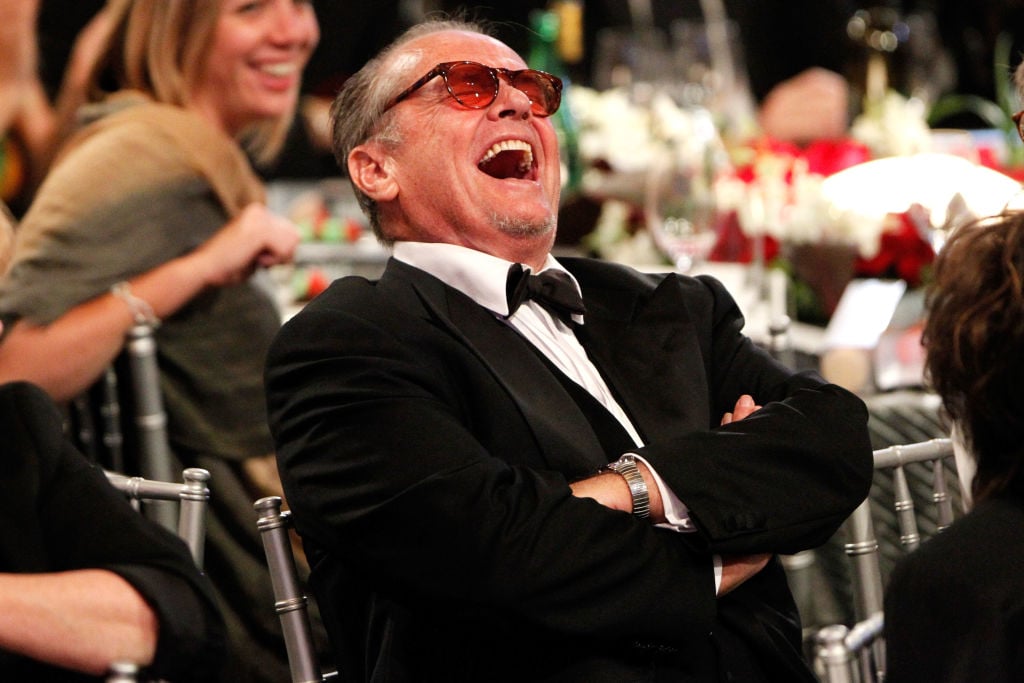
However, the real draw came from Jack Nicholson, an established actor with a string of accolades and hit films under his belt. His star power was crucial for lending credibility to the project, as Warner Bros. sought to revitalize a character many considered outdated.
Nicholson’s Game-Changing Contract
Initially, Nicholson was offered a guaranteed $10 million to portray the Joker—a figure reflective of his market value at that time. Yet he recognized an opportunity to secure a more lucrative deal by negotiating terms that included a share of the film’s profits and merchandise revenue. He ultimately opted for a lower base salary of $6 million in exchange for a significant cut of the earnings.
This unique agreement, embodying a shift away from typical upfront payments, tied his compensation directly to the film’s success at the box office and through merchandise. Given the untested nature of superhero films, this was a gamble; nevertheless, Nicholson’s foresight regarding the cultural impact of “Batman” was spot on.
A Phenomenal Success
“Batman” premiered in the summer of 1989 and quickly transformed into a cultural phenomenon. Burton’s dark interpretation captivated audiences, while Nicholson’s portrayal of the Joker became iconic, defining the character for future generations. The film grossed $411 million globally, securing its status as one of the highest-grossing films of the decade and kickstarting a lucrative merchandising venture.
Thanks in large part to Nicholas’s contractual insight, he earned more than $40 million within a few years, with his total earnings from the film climbing to an estimated $60 million—equivalent to about $130 million in today’s money. This not only positioned him among Hollywood’s top earners but also redefined the financial landscape for leading actors.
Setting a New Standard
Jack Nicholson’s earnings from “Batman” established a new benchmark in Hollywood, demonstrating that actors could negotiate deals that included profit shares rather than rely solely on upfront salaries. This landmark arrangement inspired a generation of actors, leading them to seek similar agreements.
In the years that followed, high-profile actors such as Tom Cruise, Tom Hanks, and Jim Carrey approached contract negotiations with the blueprint laid out by Nicholson. Others, like Robert Downey Jr., would later exemplify this model within franchises such as Marvel, ensuring that the actor’s payday was tied to the film’s financial performance.
The Evolution of Paydays
Though for years Nicholson’s “Batman” contract held the title of the most lucrative acting deal, others eventually surpassed it. Notably, in 1999, Bruce Willis negotiated an arrangement for “The Sixth Sense” that netted him an estimated $114 million, while Arnold Schwarzenegger came close with his contract for “Terminator 3: Rise of the Machines,” which fetched him around $110 million. Despite these record-breaking deals, Nicholson’s role as the Joker remains significant as it fundamentally altered Hollywood’s approach to actor compensation.
In a pivotal moment, Nicholson’s groundbreaking deal illustrated that actors could obtain ownership stakes in their projects, shaping not only their careers but also the future of Hollywood contracts.

Meet William, a proud Bethel University alumnus with a fervent passion for lifestyle and culture topics. His keen interest doesn’t stop there; he’s also deeply engrossed in current events of all kinds. William dedicates himself wholeheartedly to this site, thriving on the collaborative energy he shares with Suzanne, his long-standing partner in crime.
Having navigated their university courses side by side for years, their teamwork on the site is nothing short of dynamic. Together, they bring a unique blend of insights, proving that two heads are indeed better than one in delivering compelling content.