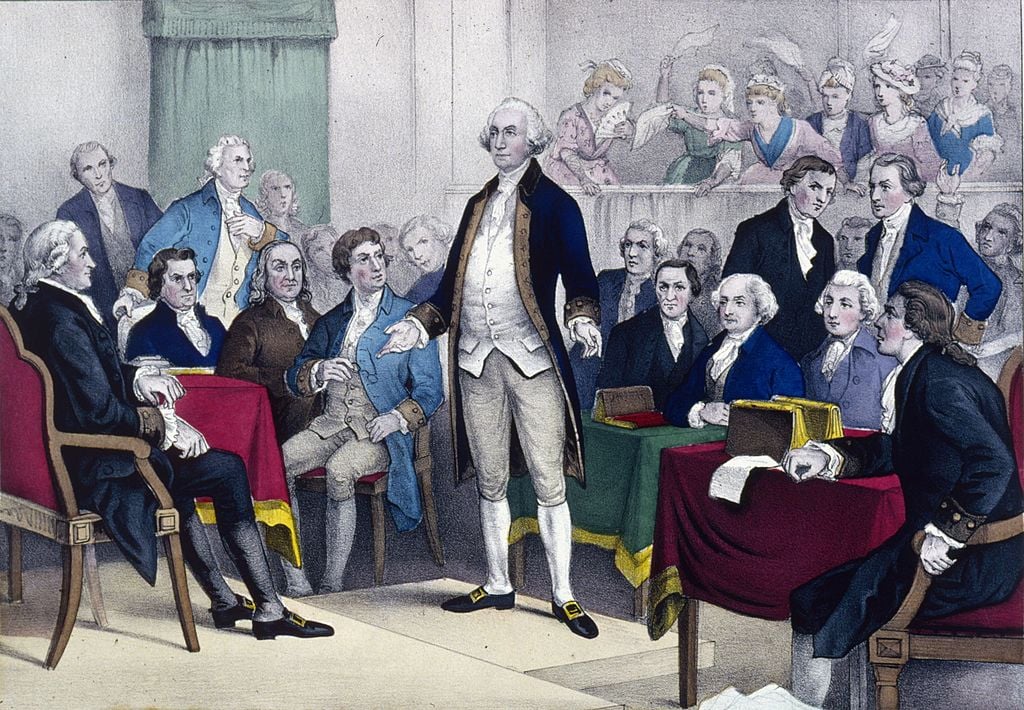
The financial legacies of U.S. presidents have varied widely over the years, from vast fortunes to modest means. Early presidents often built wealth through land ownership and inheritance, sometimes supported by enslaved labor, while recent leaders have capitalized on lucrative opportunities in media and speaking engagements post-presidency. This article ranks all 45 presidents by their peak inflation-adjusted net worth, revealing the stark contrasts in their financial standings throughout American history.
Presidential Wealth: A Historical Perspective
The financial profiles of U.S. presidents illustrate a rich tapestry of American history. There have been 46 presidencies with 45 individual presidents, including Grover Cleveland who served two non-consecutive terms. Early presidents accumulated wealth in various ways, notably through land and the slave economy, which raises significant moral questions about the sources of their riches. Today’s presidents typically rely on a salary, perks, and opportunities for financial gain after leaving office, marking a shift from the asset-heavy wealth of previous generations.
Inflation-Adjusted Net Worth of Presidents
#1: Donald J. Trump – $6 billion
Trump, a real estate mogul, is notably the first billionaire to hold the U.S. presidency. He expanded his father’s real estate legacy into a multifaceted empire, including hotels and golf courses. Despite a decline in net worth during his first term, Trump’s fortunes rebounded significantly following his re-election, bringing his net worth back to approximately $6 billion by early 2025.
#2: George Washington – $525 million
The first president, Washington was one of America’s wealthiest landowners, amassing extensive acreage in Virginia, which included a troubling reliance on enslaved labor. His wealth stemmed from various sources including inheritance, marriage to Martha Custis, and lucrative land deals, despite his reputation for frugality.
#3: Thomas Jefferson – $212 million
Jefferson inherited a significant estate and expanded it through public service and land transactions but was known for his lavish spending. His love for luxury ultimately led to financial disaster, forcing his heirs to sell off family land to pay debts upon his death.
#4: Theodore Roosevelt – $125 million
Roosevelt inherited wealth and properties, but his risky investments initially led to financial instability. He found solace in successful literary ventures, which helped manage his wealth toward the end of his life.
#5: Andrew Jackson – $120 million
Jackson ascended from humble beginnings to substantial wealth, largely through land speculation and military fame. However, his personal finances were also intertwined with enslaved labor, which contributed significantly to his wealth.
#6: Bill Clinton – $120 million
Clinton’s financial success came largely after leaving office, capitalizing on his political fame through lucrative speaking engagements and bestselling memoirs, which boosted his net worth dramatically.
#7: James Madison – $100 million
As a key architect of the Constitution, Madison’s wealth primarily came from land and enslaved labor. However, his later life was marked by financial challenges due to falling tobacco prices and excessive spending.
#8: John F. Kennedy – $100 million
While JFK did not build a personal fortune, he benefited greatly from the family wealth of the Kennedy dynasty, which was largely amassed by his father.
#9: Lyndon B. Johnson – $100 million
Johnson’s wealth grew significantly through real estate investments, particularly thanks to his wife’s savvy business ventures, which helped him become one of the wealthiest presidents of the 20th century.
#10: Barack Obama – $70 million
Post-presidency, Obama’s net worth soared due to lucrative book deals and high-profile speaking events, marking him as one of the most financially successful ex-presidents.
#11: Herbert Hoover – $70 million
Hoover was a self-made millionaire before entering politics, having built his wealth through the global mining industry and philanthropic efforts.
#12: Franklin D. Roosevelt – $60 million
Born into wealth, FDR’s finances were controlled for years by his mother. His wealth came from inherited family assets and personal investments. He spent lavishly on various personal projects, impacting his net worth later in life.
#44: Ulysses S. Grant – $50 thousand
Originally struggling financially, Grant amassed wealth during his military career. However, after leaving office, he faced significant financial hardship, ultimately leaving little to his family despite having authored a successful memoir.
#45: James A. Garfield – $10 thousand
Garfield had the lowest net worth amongst any president, entering office with only modest personal assets and a short term in office, which prevented any substantial financial gains.

Meet William, a proud Bethel University alumnus with a fervent passion for lifestyle and culture topics. His keen interest doesn’t stop there; he’s also deeply engrossed in current events of all kinds. William dedicates himself wholeheartedly to this site, thriving on the collaborative energy he shares with Suzanne, his long-standing partner in crime.
Having navigated their university courses side by side for years, their teamwork on the site is nothing short of dynamic. Together, they bring a unique blend of insights, proving that two heads are indeed better than one in delivering compelling content.