In a tale that echoes through the annals of financial history, Yoshiaki Tsutsumi was once crowned the wealthiest individual on the planet. During the late 1980s, his vast empire dominated Japan’s economy, spanning railways, resorts, and properties. However, a rapid fall from grace culminated in scandal and imprisonment, altering both his legacy and the corporate landscape. This article chronicles Tsutsumi’s rise and fall, from his peak as a titan of wealth to his eventual disgrace.
The Seibu Kingdom
The Seibu Group, under Tsutsumi’s control, was an empire unmatched in its scale and integration. At its pinnacle, the conglomerate included a major private railway network, a professional baseball team, over 80 hotels, 52 golf courses, and numerous ski resorts both within Japan and abroad. Ultimately, the group comprised around 70 companies and employed more than 35,000 individuals.
In many locales, Seibu was not just a leading employer; it was the backbone of the local economy. In one municipality, a staggering quarter of the workforce was affiliated with Seibu, leading local governments to hesitate in opposing the group out of fear of economic repercussions.
The group’s influence extended into the political realm, with reports of employees being driven to polling stations to support favored candidates, blurring the lines between commerce and civic engagement. Tsutsumi’s name became synonymous with unbridled corporate authority, his decisions affecting entire communities.
Inheriting Power and Expanding It
Tsutsumi ascended to the helm of the Seibu Group in 1964 at the young age of 30, following the footsteps of his father, Yasujiro Tsutsumi. Yasujiro laid the groundwork for the empire through aggressive acquisitions and demanded loyalty from his sons.
A fierce battle ensued over the succession after Yasujiro’s death. Expectations favored the elder half-brother, Seiji Tsutsumi, but Yoshiaki inherited control over the railways, resorts, and real estate, while Seiji took on the department stores, later transforming them into a financial empire. This familial rivalry captivated the Japanese media.
Leveraging political connections forged by his father’s ties to the longstanding Liberal Democratic Party, Yoshiaki propelled Seibu into one of postwar Japan’s hallmark corporate successes, benefiting from booming land prices and a surge in domestic tourism.
The Bubble Years and Peak Wealth
The late 1980s marked Tsutsumi’s zenith as Japan’s asset bubble inflated land and stock prices to unprecedented levels. At one point, the land under Tokyo’s Imperial Palace was infamously valued higher than California as a whole.
Well-positioned to capitalize on the situation, Tsutsumi’s extensive real estate portfolio launched him to the top of billionaire rankings, where he remained from 1987 until 1990, eclipsing even renowned industrialists and tech innovators.
Control, Secrecy, and Fear
Despite his immense wealth, Tsutsumi was a figure shrouded in secrecy and control. A relentless workaholic, he operated his business with an iron fist, surrounding himself with a trusted cadre of associates from his university days.
To shield his empire from hostile takeovers, Tsutsumi quietly amassed shares using aliases, consolidating power through a privately held company named Kokudo, which he chaired. Employees often lived in fear, with tales circulating of staff becoming physically ill before surprise inspections, terrified of disappointing their boss.
The Bubble Bursts
As Japan’s economy began to slow in the early 1990s, cracks appeared in the foundation of the Seibu Kingdom. Land prices plummeted to as little as 20% to 40% of their earlier values, crippling Tsutsumi’s heavily leveraged empire.
Seibu’s resorts suffered declining bookings, and the group’s impressive size transformed from an asset into a liability. Instead of reforming the business structure, Tsutsumi chose to tighten his grip, directing subordinates to misrepresent financial losses and obscure ownership details.
Arrest, Scandal, and Human Cost
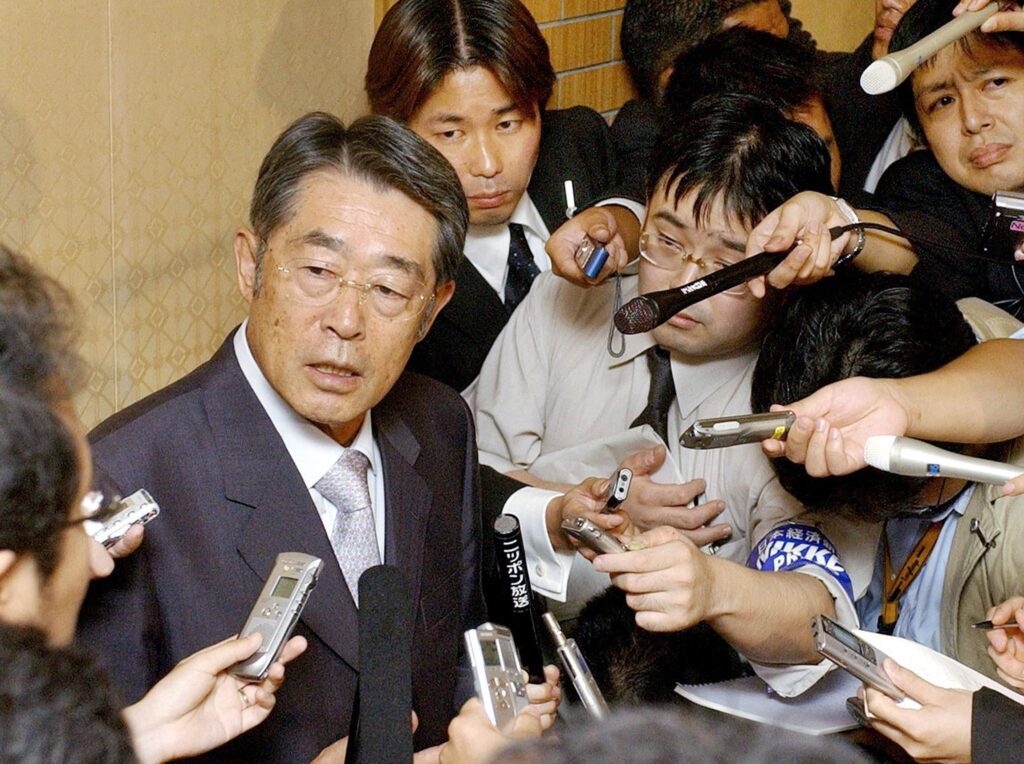
By the time of his arrest at a luxury hotel in 2005, Tsutsumi’s fortune had dwindled significantly, dropping him to approximately the 159th richest person globally. Investigations revealed he controlled around 80% of Seibu’s stock, violating Tokyo Stock Exchange regulations.
The scandal had deadly ramifications. Terumasa Koyanagi, the former president of Seibu Railway, tragically took his own life after admitting to falsifying financial reports under orders that prosecutors traced back to Tsutsumi himself.
Conviction and Aftermath
Tsutsumi pleaded guilty to violations of Japan’s securities laws and received a suspended 30-month prison sentence along with a five million yen fine on October 27, 2005. Prosecutors dismissed his claims of ignorance, stating he had surrounded himself with loyalists, making unawareness implausible.
His suspended sentence concluded in 2009, and while Seibu persisted as a restructured public company, it bore little resemblance to its former grandeur. Tsutsumi, once the owner of one-sixth of Japan, faded from both billionaire ratings and public visibility.
The saga of Yoshiaki Tsutsumi serves as a compelling narrative of how unchecked ambition, secrecy, and debt can lead to a dramatic financial downfall, leaving an indelible mark on the corporate world.

Meet William, a proud Bethel University alumnus with a fervent passion for lifestyle and culture topics. His keen interest doesn’t stop there; he’s also deeply engrossed in current events of all kinds. William dedicates himself wholeheartedly to this site, thriving on the collaborative energy he shares with Suzanne, his long-standing partner in crime.
Having navigated their university courses side by side for years, their teamwork on the site is nothing short of dynamic. Together, they bring a unique blend of insights, proving that two heads are indeed better than one in delivering compelling content.