The tale of Great Ormond Street Hospital (GOSH) is one of resilience, generosity, and the unexpected connection between a beloved children’s story and the life-saving care of sick children. Founded in 1852 in London, GOSH faced financial ruin during the Great Depression. However, an anonymous benefactor — later revealed to be the creator of “Peter Pan,” J.M. Barrie — transformed its fate, leaving a lasting legacy that continues to aid the hospital today.
The Inspiration Behind “Peter Pan”
James Matthew Barrie was born in 1860 in Scotland, the son of a weaver and a homemaker. A frail child, Barrie found solace in storytelling after the death of his elder brother, which deeply influenced his future work. Following his move to London, he established himself as a prominent novelist and playwright.
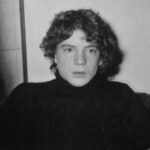
Barrie’s marriage to actress Mary Ansell in 1894 ended in divorce, but he found companionship in the Llewelyn Davies boys—George, John, and Peter—whose adventures inspired the creation of “Peter Pan.” The character made his first appearance in Barrie’s 1902 book “The Little White Bird,” followed by the acclaimed 1904 stage play “Peter Pan; or The Boy Who Wouldn’t Grow Up,” captivating audiences with its blend of fantasy and adventure.
B. Marshall/Fox Photos/Getty Images
A Miracle Gift
On December 14, 1929, Barrie invited the cast of “Peter Pan” to perform for children at GOSH, coinciding with his silent pledge to donate 100% of his “Peter Pan” royalties to the hospital. For nearly a decade, the hospital remained unaware of their mysterious donor’s identity.
It was only after Barrie’s death in 1937 that GOSH discovered he had bequeathed them permanent ownership of “Peter Pan,” ensuring the hospital would receive royalties from every performance, book sale, or film adaptation. Barrie’s wish that the hospital never disclose the amount they received still stands, but over the years, this support has accumulated into tens of millions of pounds, significantly contributing to GOSH’s growth and reputation.
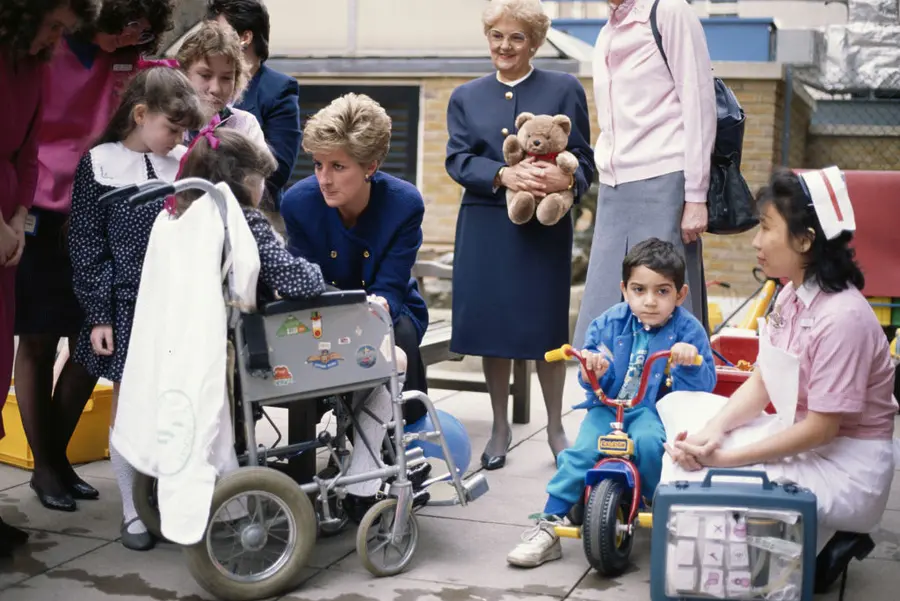
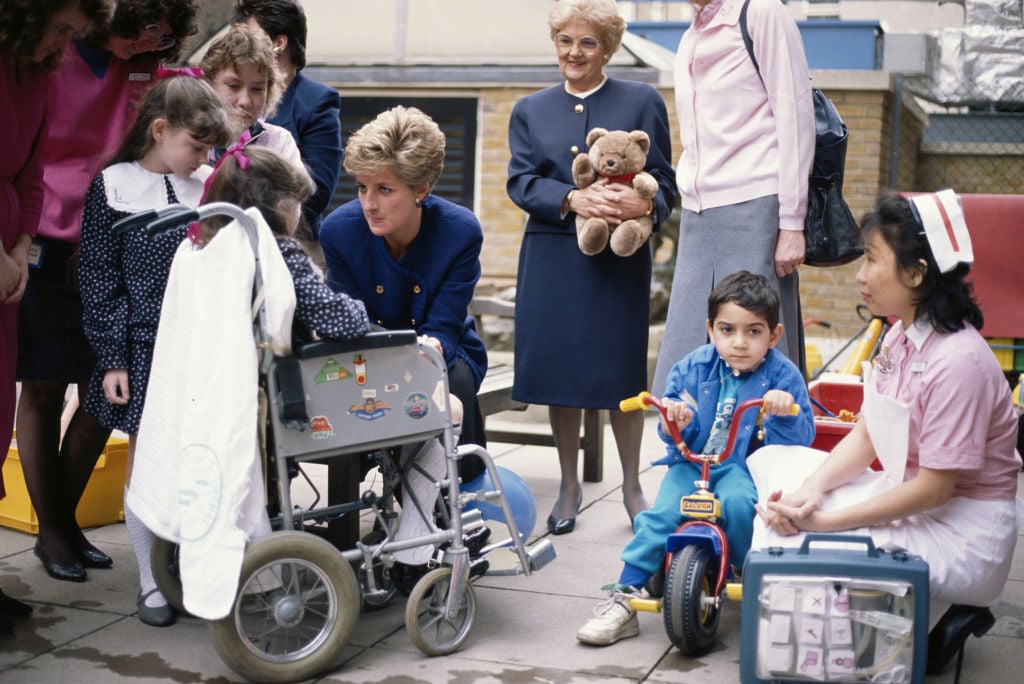
Princess Diana at GOSH in 1991. (Photo by Jayne Fincher/Getty Images)
Changing Copyrights
Typically, copyright is limited to a specific duration, but Barrie’s decision to delay the publication of the “Peter Pan” play script until 1928 extended GOSH’s American royalties, which will continue until January 1, 2024. Despite the general rule that works enter the UK public domain 50 years after the author’s death, an unprecedented amendment in 1988 allowed GOSH to collect royalties for “Peter Pan” indefinitely. Although GOSH doesn’t control the usage rights, they must be compensated for any performance or substantial adaptation in the UK.
Pop Culture, Celebrity, and Lasting Significance
Unlike most hospitals, which seldom attract media attention, GOSH has become a cultural icon, largely due to its connection with “Peter Pan” and Princess Diana, who served as its president from 1989 until her passing in 1997. This association has kept GOSH in the public eye, transforming it into a symbol of generosity and hope.
With each new adaptation of “Peter Pan,” GOSH’s story is revisited, ensuring continued public interest and support. The hospital has embraced this cultural heritage, actively engaging celebrities and high-profile figures to boost fundraising efforts.
With annual charitable revenues exceeding £130 million ($166 million USD) and over £500 million in managed assets ($640 million USD), GOSH ranks among the most successful medical fundraising institutions globally. While the royalties from “Peter Pan” contribute modestly, the significant attention they generate sustains its status as a desirable cause for donors and celebrities alike.
The Legacy That Wouldn’t Grow Old
J.M. Barrie’s legacy endures, supporting one of the world’s foremost children’s hospitals and inspiring countless generations. While GOSH’s young patients may not journey to Neverland, the hope instilled by “Peter Pan” ensures they have a place where healing and wonder thrive.
From Neverland to Neverland Ranch
The fascination with Barrie’s creation extends to modern entertainment, most notably impacting Michael Jackson, who adopted a “Peter Pan” persona and named his California estate “Neverland Ranch.” Reflecting his desire to retain childlike wonder, Jackson’s estate planning mirrored Barrie’s charitable spirit, directing a portion of his assets to children’s charities. After his death in 2009, the estate blossomed into one of the most lucrative in history, securing both his family’s financial future and extensive contributions to philanthropic causes.
Although different in nature, both Barrie’s and Jackson’s interpretations of Neverland illustrate the enduring allure of a narrative about a boy who refuses to grow up, leaving profound impacts on real-world legacies in culture, wealth, and generosity.

Meet William, a proud Bethel University alumnus with a fervent passion for lifestyle and culture topics. His keen interest doesn’t stop there; he’s also deeply engrossed in current events of all kinds. William dedicates himself wholeheartedly to this site, thriving on the collaborative energy he shares with Suzanne, his long-standing partner in crime.
Having navigated their university courses side by side for years, their teamwork on the site is nothing short of dynamic. Together, they bring a unique blend of insights, proving that two heads are indeed better than one in delivering compelling content.