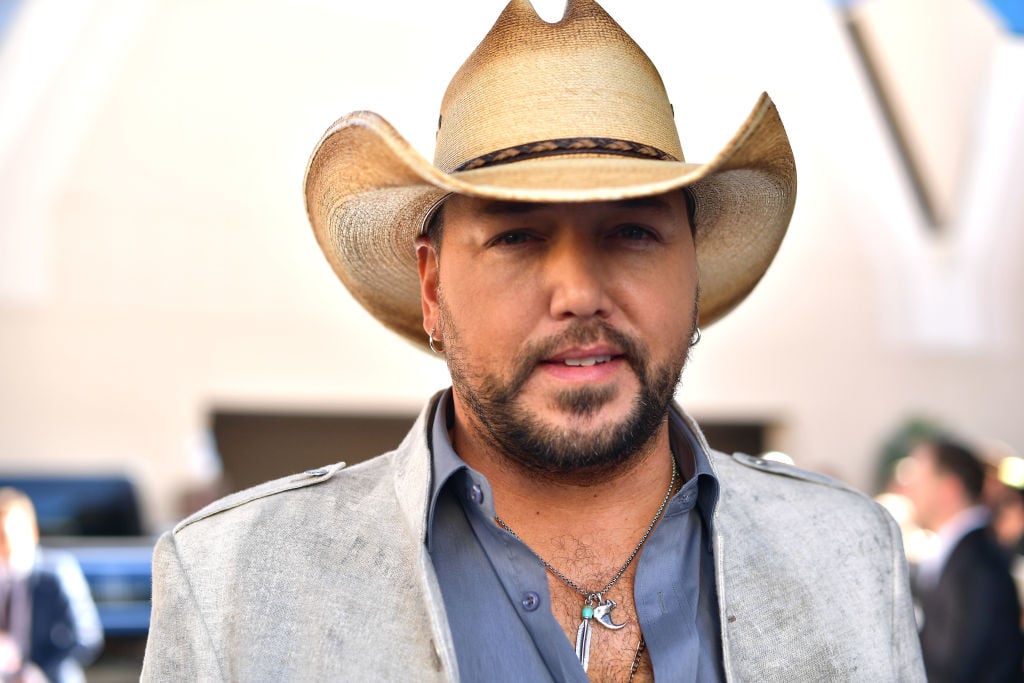
In recent years, the music industry has witnessed a remarkable shift in how artists perceive the value of their catalogs. The narrative of cashing out early is being challenged by significant transactions, showcasing both the changing dynamics of ownership and investment in music rights. One such transaction involves country superstar Jason Aldean, whose catalog sale highlights the complexities of valuing music in today’s market.
The Evolution of Music Catalog Valuation
In the 1980s, music catalog sales were generally dismissed as an overlooked aspect of the industry. A notable example was Michael Jackson’s purchase of the Beatles’ catalog in 1984. His staggering bid of $47.5 million—equivalent to about $150 million today—indicated a turning point in how music rights could be valued. At the time, many considered it a steep price, but in retrospect, it appears incredibly modest. Today, the Beatles’ catalog could easily attract offers in the billions.
Over the years, the relationship between the value of music catalogs and their sale prices has evolved significantly. Artists have become more strategic in their contractual agreements, often retaining ownership of their masters and publishing rights. By the 2010s and 2020s, these trends converged: music catalogs emerged as reliable income sources, encouraging even moderately successful artists to sell their rights for millions. Notable sales include Bruce Springsteen’s catalog, valued at $550 million, and Bob Dylan’s at approximately $400 million.
The prevailing narrative has suggested that artists prefer receiving substantial sums upfront rather than waiting decades for royalties—particularly for those contemplating estate planning. Meanwhile, music investment firms like Hipgnosis, Concord, and BMG appear poised to reap long-term benefits from these acquisitions.
Jason Aldean’s Recent Catalog Sale
Jason Aldean, a pivotal figure in modern country music, is not merely an established artist looking to cash out late in his career. At 48, Aldean has enjoyed a successful journey since his debut in 2005, releasing ten studio albums, six of which achieved platinum status. His catalog includes numerous chart-topping singles and a reputation as a leading tour headliner, marked by various prestigious awards.
In February 2022, Aldean capitalized on the catalog boom by selling 90% of his recorded music catalog to Spirit Music Group for $100 million. This acquisition included hits like “She’s Country,” “Big Green Tractor,” and “Dirt Road Anthem,” along with rights to streaming and radio royalties. Aldean framed the sale as not only a financial transaction but a way to ensure his music was managed by a reputable company, maintaining a 10% ownership stake for himself.
Fast forward three years, and Aldean’s catalog has now been sold to BMG Rights Management for $250 million. Although this deal also encompassed rights from 23 other artists, Aldean’s catalog was undoubtedly the keystone of this substantial transaction.
BMG’s acquisition of Aldean’s catalog is a significant moment for the company, as it consolidates ownership of the recordings that laid the foundation for Aldean’s career. BMG CEO Thomas Coesfeld described the purchase as a “landmark deal,” reinforcing the enduring value of Aldean’s work. Aldean expressed pride in returning his music to its original label home.
However, this raises questions about the timing of Aldean’s initial sale in 2022. Despite being in the prime of his career, he believed that $100 million was a peak offer—a conclusion that seems shortsighted in light of the recent sale price. Although Aldean likely benefitted from retaining a 10% stake, which could net him an additional $25 million, it still pales in comparison to the total from the later sale.
Aldean’s experience challenges the narrative that artists are cashing in at the height of their careers to avoid diminishing returns on their catalogs. The expedited sale of his rights demonstrates that the market for music catalogs is dynamic, evolving more rapidly than many anticipated. This shift suggests that younger artists who recently sold their catalogs, like Justin Bieber, might still have some regrets as the market continues to flourish.

Meet William, a proud Bethel University alumnus with a fervent passion for lifestyle and culture topics. His keen interest doesn’t stop there; he’s also deeply engrossed in current events of all kinds. William dedicates himself wholeheartedly to this site, thriving on the collaborative energy he shares with Suzanne, his long-standing partner in crime.
Having navigated their university courses side by side for years, their teamwork on the site is nothing short of dynamic. Together, they bring a unique blend of insights, proving that two heads are indeed better than one in delivering compelling content.