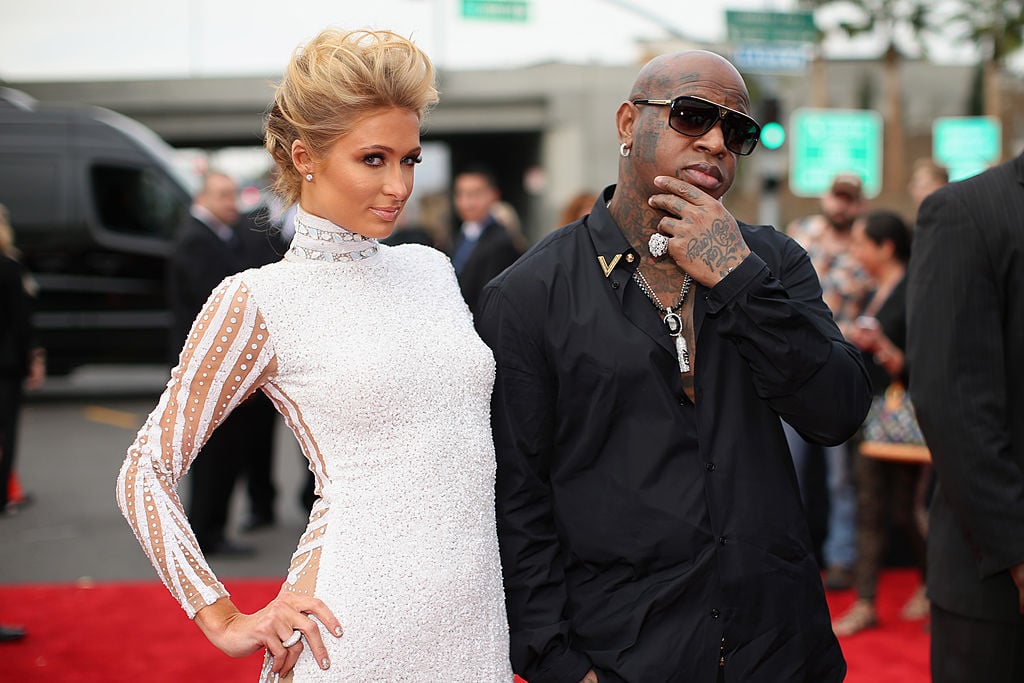
In the summer of 1991, Bryan and Ronald Williams embarked on an ambitious journey by launching Cash Money Records, fueled by dreams of breaking free from the poverty of their New Orleans neighborhood. Despite lacking experience in the music industry and only limited funding, the brothers transformed their small label into a powerhouse, redefining hip-hop along the way. As of today, Cash Money Records stands as a testament to their perseverance and vision, alongside their remarkable rise to wealth and influence in the entertainment world.
The Birth of Cash Money Records
When Bryan and Ronald Williams founded Cash Money Records (CMR) in 1991, the underground hip-hop scene in New Orleans was beginning to flourish. A distinctive sound known as “bounce music” was gaining traction, led by artists such as DJ Irv and TT Tucker, creating ample opportunity for aspiring entrepreneurs.
To kickstart their label, the brothers first approached their father, who owned a local bar and club. However, the funds they secured were far from sufficient. It was their half-brother, Terrence Williams, who reportedly provided the financial backing necessary for their venture. Terrence had connections within a notorious local gang, which certainly played a role in the early capital the brothers acquired.
Choosing the name “Cash Money Records” was inspired by the film “New Jack City,” where the lead character, played by Wesley Snipes, heads a group called the “Cash Money Brothers.”
With their initial funding in place, the Williams brothers began signing local talent, starting with a 16-year-old named Kilo-G. In no time, their roster expanded to include artists like Lil Slim and Mr. Ivan. Those early days saw the brothers promoting local shows and selling records directly from their car trunks.
A turning point for CMR came in 1993 when they signed acclaimed DJ and producer Mannie Fresh. Fresh’s background in producing pop-infused house beats transformed Cash Money’s raw lyrics and sound into what became known as “Gangsta Bounce,” resonating with hip-hop fans across Louisiana.
The Attention of Major Labels
Through relentless effort, Cash Money expanded its roster further between 1994 and 1997 and saw sales ranging from 25,000 to 50,000 copies per album despite having no major label backing. The Hot Boys, featuring talents like Lil Wayne, B.G., and Turk, sold an extraordinary 300,000 copies of their debut album shortly after its release.
By 1998, major record labels were flocking to New Orleans to meet the Williams brothers. Despite Cash Money’s impressive independent sales, these labels were looking to sign the brothers to standard contracts that would grant them ownership over the music. However, Bryan and Ronald surprised executives by demanding an 80/20 pressing and distribution deal instead, coupled with a substantial cash advance.
This demand was unprecedented; typically, only major superstars could secure such favorable terms after years of success. The Williams brothers, however, aimed to maintain ownership of their master recordings while leveraging a major label’s resources for distribution.
Ultimately, both Sony and Universal expressed interest, understanding that signing Cash Money would grant them vital access to the burgeoning Southern hip-hop market. Universal eventually landed the deal, which involved a staggering $30 million, inclusive of $3 million upfront and $1.5 million for each subsequent album, while allowing Cash Money to retain ownership of their masters.
The Ascension of a Billion-Dollar Brand
Cash Money Records continues to hold its ground as one of the few major labels with enduring relevance over three decades. Its roster may have evolved, but the era defined by artists like Lil Wayne, Drake, and Nicki Minaj generated revenue that remains unparalleled in the industry.
Birdman aspires for Cash Money to become the first billion-dollar music brand. The label’s successes from the late 1990s and the global prominence of its artists in the 2010s likely amassed over a billion dollars in gross revenue, with artists from Cash Money having sold hundreds of millions of albums worldwide.
Birdman’s Wealth and Property Ventures
The success of Cash Money Records has contributed to Birdman’s estimated net worth of $150 million, with a significant portion tied to the value of the artists’ catalogs.
At one point, Birdman owned a luxurious $30 million condominium in Miami, alongside a mansion in New Orleans and other properties, one of which served as a studio. However, Hurricane Katrina resulted in the loss of 20 homes and cars, including several high-end vehicles. His main residence was a sprawling 20,000-square-foot mansion on Palm Island, a property that has had a colorful ownership history, involving significant financial ups and downs.
Ultimately, the journeys of Bryan and Ronald Williams illustrate a crucial lesson about leverage. In an industry notorious for exploiting artists, their story highlights the importance of believing in oneself and negotiating for what one is genuinely worth, leading not just to a seat at the table but to outright ownership of it.

Meet William, a proud Bethel University alumnus with a fervent passion for lifestyle and culture topics. His keen interest doesn’t stop there; he’s also deeply engrossed in current events of all kinds. William dedicates himself wholeheartedly to this site, thriving on the collaborative energy he shares with Suzanne, his long-standing partner in crime.
Having navigated their university courses side by side for years, their teamwork on the site is nothing short of dynamic. Together, they bring a unique blend of insights, proving that two heads are indeed better than one in delivering compelling content.