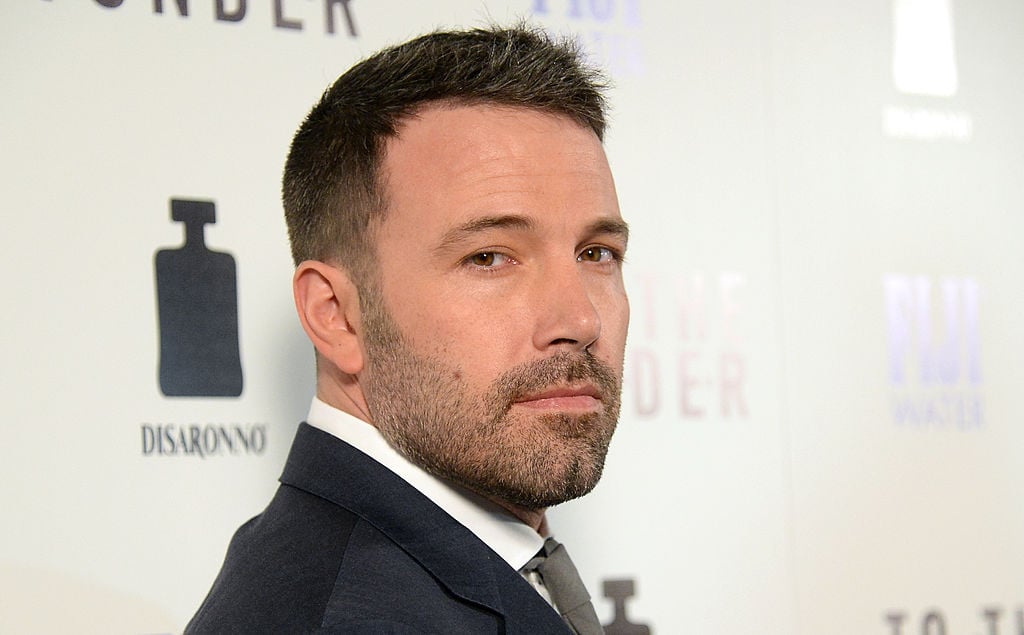
Last week, Netflix made headlines by acquiring an AI filmmaking startup founded by Ben Affleck, sparking curiosity and intrigue in the entertainment industry. The startup, named InterPositive, had operated largely under the radar, surprising many with its substantial acquisition price that reportedly could reach up to $600 million. This acquisition not only marks a significant shift for both Netflix and Affleck but also raises questions about the future of AI in filmmaking.
A Potential $600 Million Payday
According to reports from Bloomberg, Netflix stands to pay as much as $600 million for InterPositive, depending on performance targets being met. While the initial payment is smaller, the remaining funds are contingent on future milestones. This potential total marks one of the largest AI-related acquisitions in Hollywood’s history.
Netflix first announced the acquisition earlier this month without detailing financial specifics. As part of the deal, the entire 16-member team from InterPositive will join Netflix, with Affleck taking on the role of senior advisor to guide the technology’s development and integration.
Affleck is not the sole equity holder of InterPositive; he co-founded the company with financial backing from RedBird Capital, the same firm that previously invested $100 million in his and Matt Damon’s production company, Artists Equity. Notably, Netflix has recently formed a first-look deal with Artists Equity, and their film “The Rip” premiered on the platform earlier this year.
- RedBird Capital: Likely owns 30–40% (having provided the initial “secret” seed funding).
- Venture Capitalists: Likely own 10–20% (if a funding round was completed in 2025).
- Ben Affleck: Likely owned 30–50%.
If all performance targets are met, Affleck could see a financial windfall between $180 million and $300 million from this deal.
What InterPositive Actually Does
Despite being described as an “AI filmmaking” company, InterPositive’s technology is not aimed at generating entire films from text prompts or creating synthetic actors. Instead, it functions as a highly advanced post-production tool for filmmakers.
The software utilizes footage from production shoots to train an AI model, which can then assist editors and visual-effects teams with various tasks such as adjusting lighting, relighting scenes, modifying backgrounds, and enhancing visual effects. It serves more as a sophisticated digital assistant in the editing and post-production pipeline rather than as a replacement for human creativity.
Netflix executives have emphasized that this technology is intended to complement the filmmaking process rather than supplant it. While the tools will be available to Netflix’s creative partners, there are currently no plans for commercializing the software.
A Very Stealthy Startup
Founded in 2022, InterPositive remained virtually unnoticed until Netflix announced its acquisition. Even seasoned professionals in the AI startup landscape were largely unaware of its existence before the deal became public. The company created its LinkedIn page only after the acquisition announcement, and its online presence remains minimal, listing only a few employees.
Ben Affleck gained attention earlier this year during a segment on Joe Rogan’s podcast, where he provided a compelling critique of AI in creative fields. He highlighted concerns that relying too heavily on AI could lead to subpar content, coining the term “shitty” to describe the risks involved. His commentary suggests a thoughtful engagement with AI, a perspective developed since InterPositive’s founding.
Hollywood’s AI Tightrope
The use of artificial intelligence in the entertainment industry has sparked significant debate. Many writers, actors, and visual effects professionals express concerns that studios may harness AI to cut costs, potentially sidelining human talent by using copyrighted material without consent.
Affleck and Netflix appear to be carving a more filmmaker-friendly niche for AI technology. Instead of relying on extensive libraries of existing films for training data, InterPositive reportedly constructs models tailored from footage produced by specific projects. This approach aims to empower filmmakers while sidestepping many copyright issues faced by other AI initiatives.
As Affleck stated in a video accompanying the announcement, the goal is to support and enhance traditional filmmaking processes rather than disrupt them. He noted, “The filmmaking process really since its inception has been one long technological progression. We’ve always been seeking to make it feel more realistic, more honest.“
Why Netflix Wants It
The acquisition signals a strategic move by Netflix to adapt to the future of film production. Historically, the company has leaned towards developing its own technologies rather than acquiring startups, making this acquisition notable. With Hollywood racing to incorporate AI tools that could reduce costs and accelerate production timelines, even minor efficiencies could have a profound impact on Netflix’s financial outcomes.
With an estimated $20 billion earmarked for content this year, optimizing editing, visual effects, and post-production processes could yield substantial savings in the long run.
Yet, a significant question remains: in a startup landscape filled with companies promising transformative technologies, how effective will InterPositive’s solutions be? Operating in near-total secrecy for several years, the startup has left industry watchers uncertain about the actual maturity of its technology. Netflix’s ownership will soon reveal the answers.
A Family of Entrepreneurs
Ben Affleck’s successful sale comes shortly after his ex-wife, Jennifer Garner, took her food company, Once Upon A Farm, public with an $830 million market cap. Following the IPO, Garner retained a 7% stake in the company, valued at approximately $60 million.

Meet William, a proud Bethel University alumnus with a fervent passion for lifestyle and culture topics. His keen interest doesn’t stop there; he’s also deeply engrossed in current events of all kinds. William dedicates himself wholeheartedly to this site, thriving on the collaborative energy he shares with Suzanne, his long-standing partner in crime.
Having navigated their university courses side by side for years, their teamwork on the site is nothing short of dynamic. Together, they bring a unique blend of insights, proving that two heads are indeed better than one in delivering compelling content.