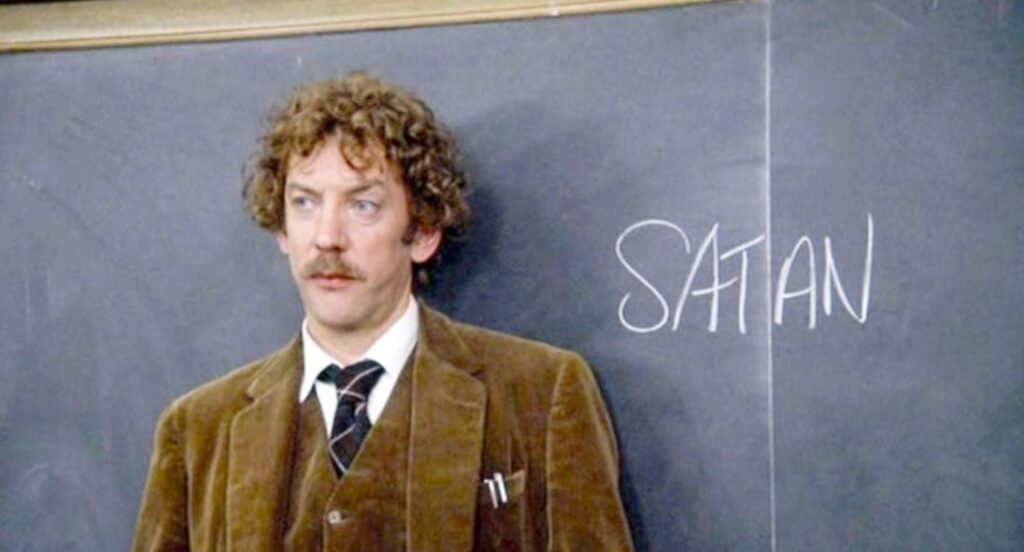
On July 28, 1978, “Animal House” premiered, surprising both audiences and studio execs with its unexpected success. Initially dismissed as a risky venture, the film would go on to become a cultural phenomenon and one of the most beloved comedies of all time, reshaping the landscape of the genre.
Production Challenges and Inexperienced Cast
When Universal Pictures launched the production of “Animal House,” expectations were far from optimistic. Studio head Ned Tanen outright despised the project, doubting its potential for success. The screenplay, penned by an inexperienced comedian named Harold Ramis, did little to alleviate these concerns. Despite his lack of experience at the time, Ramis would later establish himself as a key figure in comedy, contributing to iconic films like “Ghostbusters” and “Groundhog Day.”
Before filming commenced, studio executives sought to recruit star power to attract audiences, offering lead roles to established names such as Chevy Chase, Bill Murray, and Dan Aykroyd. However, only John Belushi accepted the offer, while other critical roles went to relatively unknown actors, including a young Kevin Bacon, who made his acting debut as the arrogant fraternity member Chip Diller.
Unexpected Success and Profitable Ventures
With Belushi on board, Universal was still anxious about the film’s marketability and asked director John Landis to secure a well-known actor for the role of Professor Dave Jennings. Landis approached Donald Sutherland, a prominent star and family friend, to enhance the film’s credibility. Universal was eager to finalize Sutherland’s involvement, authorizing generous compensation packages to entice him.
Initially, Sutherland rejected an offer of a salary plus 2.5% of the gross profits. Universal improved their proposal to $35,000 and 15% of gross earnings before expenses, which Sutherland also declined. Ultimately, a deal was struck for $50,000 in cash up front, with no additional profit share—an arrangement Sutherland believed would protect him financially, given his low expectations for the film’s success.
Contrary to expectations, “Animal House” quickly became a box office sensation, grossing over $141 million worldwide, equivalent to approximately $660 million adjusted for inflation. This significant profit made the film one of the most successful of all time, while Sutherland’s decision not to take a percentage of the profits ultimately cost him an estimated $20 million.
In hindsight, Sutherland may have gained a monetary windfall from the film’s success, but he nevertheless enjoyed a flourishing career that continued to thrive following “Animal House.” Although he missed out on a substantial amount, his timely choices contributed to his prominence in Hollywood, highlighting the unpredictable nature of the film industry.

Meet William, a proud Bethel University alumnus with a fervent passion for lifestyle and culture topics. His keen interest doesn’t stop there; he’s also deeply engrossed in current events of all kinds. William dedicates himself wholeheartedly to this site, thriving on the collaborative energy he shares with Suzanne, his long-standing partner in crime.
Having navigated their university courses side by side for years, their teamwork on the site is nothing short of dynamic. Together, they bring a unique blend of insights, proving that two heads are indeed better than one in delivering compelling content.