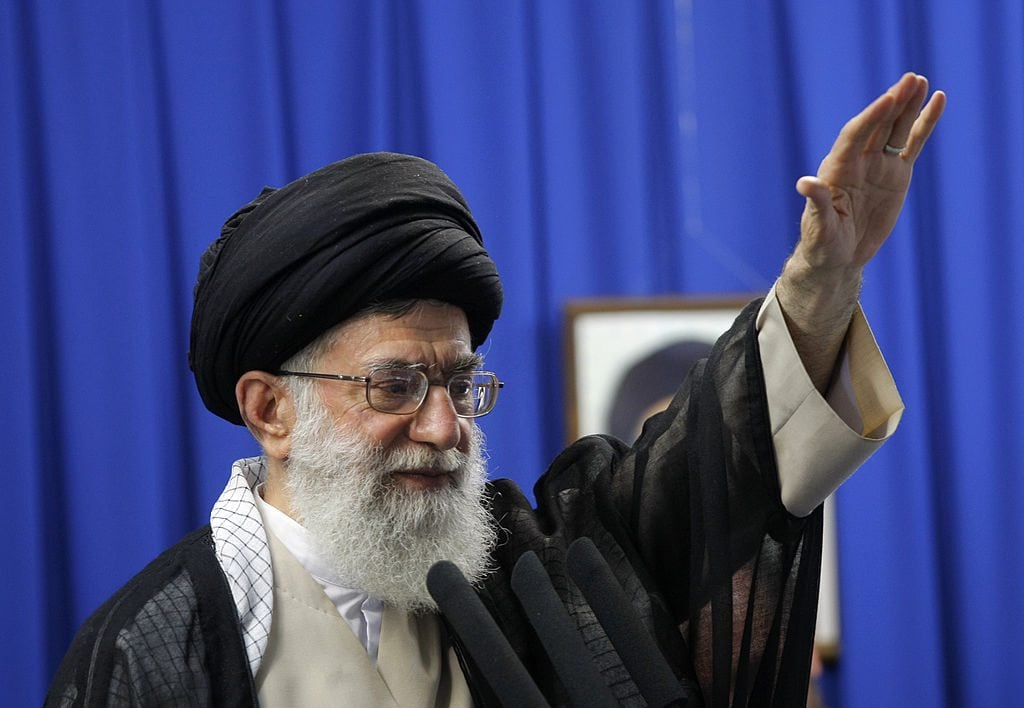
Many Westerners may have limited knowledge of Iran’s Supreme Leader, Ayatollah Ali Khamenei, or the country’s political landscape. While Iran has a democratically elected president, Masoud Pezeshkian, it is primarily governed by Khamenei, who serves as the supreme authority. This article delves into Khamenei’s role, the origins of his wealth, and the influence of the powerful organization he controls, known as Setad.
The Role of Iran’s Supreme Leader
Ayatollah Ali Khamenei, born on July 17, 1935, in Mashhad, Iran, became the country’s Supreme Leader in 1989 after the death of Ayatollah Ruhollah Khomeini, who led the 1979 revolution that transformed Iran from a Western-aligned nation into a conservative Islamic state. Despite Iran’s democratic elections, Khamenei holds the ultimate authority and appoints all high-ranking officials.
Although Khamenei does not earn a salary, his alleged control over a $200 billion empire has drawn scrutiny. This substantial portfolio reportedly includes a vast array of assets across various sectors. The organization that manages these assets, known as Setad, has been described by U.S. officials as an “off-the-books hedge fund.”
The Rise of Setad
In the aftermath of the Islamic Revolution, many assets were left abandoned following the Shah’s abrupt departure. To manage this chaos, Khomeini established Setad in 1989, entrusting it with overseeing disputed properties and those linked to the former royal family. Although Khomeini intended Setad to be dissolved after two years, Khamenei has instead expanded its power significantly over the decades.
Setad has silently transformed into a formidable economic force, amassing stakes in finance, agriculture, telecommunications, and pharmaceuticals. Its influence became more pronounced when Khamenei appointed Mohammad Mokhber, who had led Setad since 2007, as Iran’s First Vice President, indicating how deeply Setad is embedded within the country’s political framework.
Controversies Surrounding Setad
Setad’s operations have raised ethical concerns, particularly regarding the methods it employs to acquire assets. Once intended to resolve disputes, the organization has reportedly resorted to aggressive tactics for asset seizure. A notorious case involved the takeover of Parsian Bank, Iran’s largest non-state financial institution, illustrating Setad’s ruthless business practices.
Additionally, the organization has targeted religious minorities, exemplified by a court order that confiscated properties owned by Baha’i families, whose assets were transferred to Setad. Testimonials from individuals indicate that they have lost property to Setad, further underscoring the group’s controversial actions.
The Implications of Khamenei’s Wealth
Even as Khamenei maintains a modest public persona, reports suggest he has substantial financial leverage through Setad. The U.S. Treasury Department asserts that this wealth allows him to influence various aspects of Iranian life and governance. Recent revelations about Setad’s involvement in corrupt oil smuggling schemes highlight the challenges within the tightly controlled economic environment.
Despite ongoing allegations, Iranian officials have consistently rebuffed claims made by U.S. organizations, calling the reports unfounded. This situation points to the complexities of power dynamics within Iran, where financial and political interests often intersect.

Meet William, a proud Bethel University alumnus with a fervent passion for lifestyle and culture topics. His keen interest doesn’t stop there; he’s also deeply engrossed in current events of all kinds. William dedicates himself wholeheartedly to this site, thriving on the collaborative energy he shares with Suzanne, his long-standing partner in crime.
Having navigated their university courses side by side for years, their teamwork on the site is nothing short of dynamic. Together, they bring a unique blend of insights, proving that two heads are indeed better than one in delivering compelling content.