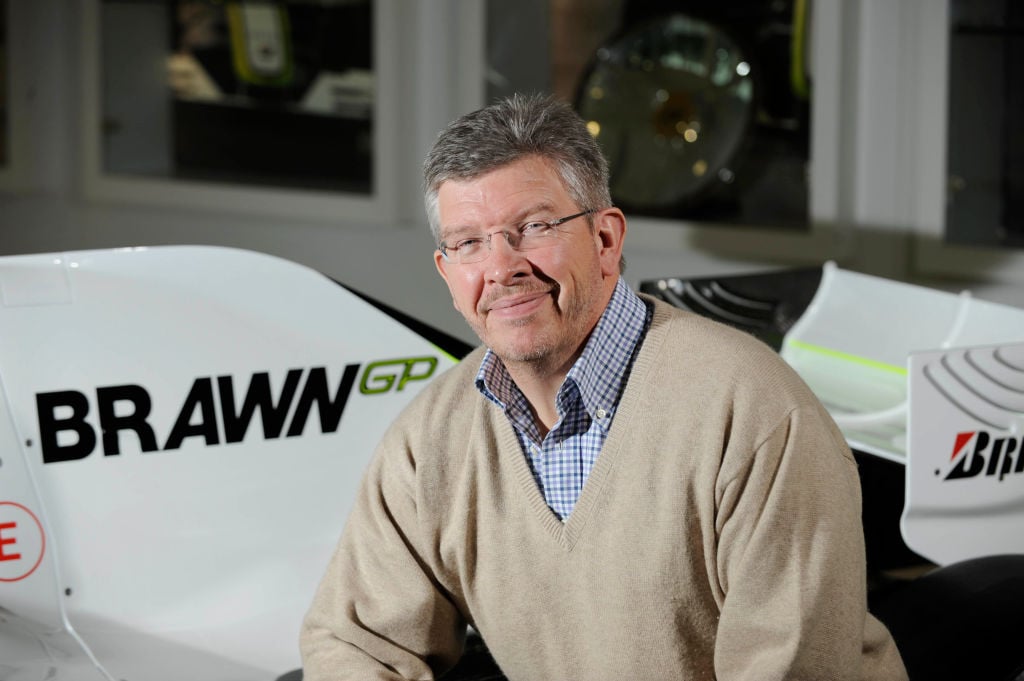
In early 2009, amid the turmoil of the global financial crisis, an astonishing event unfolded in the world of Formula 1. Renowned engineer Ross Brawn acquired a struggling racing team for just **£1**. This seemingly reckless gamble would soon evolve into one of the most remarkable success stories in sports history.
The Collapse That Created the Opportunity
By late 2008, the global economy was in free fall, and the automotive industry was severely impacted. Honda, in particular, was losing millions from its Formula 1 program, spending an estimated $200 million to $300 million annually on a team that was far from competitive. Midway through the season, Brawn made the bold choice to halt all development and redirect efforts toward the new regulations set to take effect in 2009, which he believed could transform the team’s fortunes.
However, Honda’s executives chose to exit Formula 1 altogether. On December 5, 2008, the company announced its withdrawal, leaving about 700 employees at the Brackley factory facing imminent layoffs. The team was perilously close to being liquidated.
The Loophole That Changed Everything
Unbeknownst to Honda, the team was on the verge of discovering a potentially dominant car. Thanks to Brawn’s earlier decision to shift their focus, engineers had dedicated over a year to perfecting the 2009 chassis. They identified a critical loophole in the new FIA regulations concerning the design of the car’s floor and diffuser. By ingeniously applying this loophole, they created a “double diffuser” that produced a significant increase in downforce with minimal drag.
When initial wind tunnel tests yielded unexpectedly strong results, Brawn initially suspected a malfunction with the equipment—only to find that they had ingeniously outwitted the rules.
The £1 Deal
Despite Honda’s exit, the future remained grim for the team, with various potential buyers considering the situation, none of whom pursued a serious offer. Additionally, Honda faced a hefty bill of around $100 million to wind down operations. Brawn proposed a management buyout, which led to the acquisition being finalized on March 6, 2009, for the remarkable sum of **£1**. In exchange, his group assumed all liabilities, while Honda ultimately financed the transition, effectively paying Brawn to keep the team alive.
The Frankenstein Car
However, a significant challenge loomed: the team had no engine after Honda’s withdrawal. In a scramble just weeks before the season opener, Brawn GP secured a deal to use Mercedes engines. This last-minute adjustment required extensive modifications to the chassis, creating logistical hurdles that compromised the car’s design. The BGP 001, the patched-together result, debuted in a plain white livery and lacked major sponsors, yet it possessed a unique advantage—the double diffuser.
A Fairy Tale Season on a Shoestring Budget
As the car hit the track, it quickly became clear that Brawn GP had something special. At the season-opening race in Australia, Jenson Button clinched pole position, leading the team to a remarkable 1-2 finish. Despite protest from rival teams claiming the diffuser was illegal, the FIA confirmed its compliance. This legal loophole propelled Button to an astonishing six wins in the first seven races, establishing a formidable lead in the championship.
However, prosperity was fleeting. As the season progressed, the team began hemorrhaging the funds provided by Honda, forcing layoffs of over 300 employees to remain afloat. Other teams invested heavily into upgrades, diminishing Brawn GP’s early advantage. But Button’s strong start proved crucial, culminating in his victory at the Brazilian Grand Prix on October 18, 2009, which secured both the Drivers’ and Constructors’ Championships for Brawn GP, a remarkable feat for a team in its inaugural season.
The Exit: Cashing in at the Perfect Moment
Understanding the precariousness of their position against larger teams, Brawn strategically decided to sell the team at its peak value. Just weeks after clinching the championships, a deal was struck with Daimler and Abu Dhabi’s Aabar Investments to purchase a 75.1% stake in Brawn GP for approximately **£110 million**. In just 255 days, Brawn had transformed **£1 into £110 million**.
The team also turned a profit, raking in around £98.5 million in 2009 from initial Honda funding and late-season sponsorships. Brawn and his partners profited further, retaining minority stakes that were eventually sold, bringing the total team valuation to about **£180 million**. Brawn himself netted an estimated **£100 million** from the sale and subsequent profits.
The Legacy: From £1 to a Multi-Billion-Dollar Dynasty
Following the sale, the rebranded team became known as Mercedes GP, eventually evolving into the **Mercedes-AMG Petronas Formula One Team**. Brawn remained with the organization, helping to strengthen its infrastructure and paving the way for prominent figures like Michael Schumacher and Lewis Hamilton to join. This marked the beginning of one of the most dominant eras in sports history, with the team securing eight consecutive Constructors’ Championships from 2014 to 2021 and establishing itself as a power in the hybrid era of Formula 1.
Today, the value of the team reaches into the billions, all stemming from Ross Brawn’s astute decision in early 2009 to take a risk on a seemingly dead team, ultimately executing one of the most extraordinary turnarounds in sports history.

Meet William, a proud Bethel University alumnus with a fervent passion for lifestyle and culture topics. His keen interest doesn’t stop there; he’s also deeply engrossed in current events of all kinds. William dedicates himself wholeheartedly to this site, thriving on the collaborative energy he shares with Suzanne, his long-standing partner in crime.
Having navigated their university courses side by side for years, their teamwork on the site is nothing short of dynamic. Together, they bring a unique blend of insights, proving that two heads are indeed better than one in delivering compelling content.