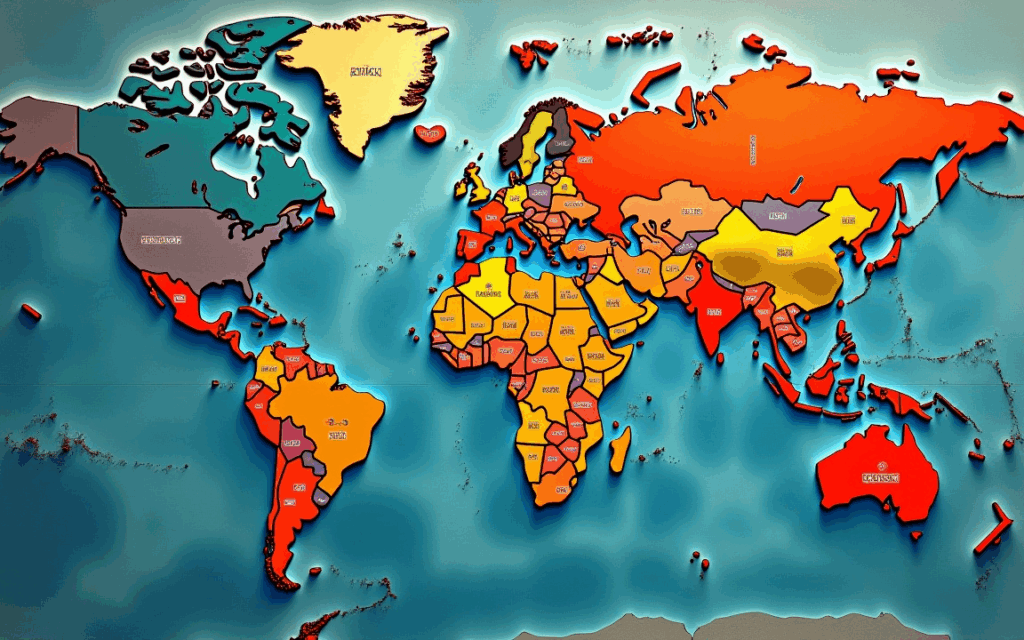
Zelle, the widely-used payment processor in the U.S., is set to leverage stablecoins for cross-border transactions, enhancing its capabilities beyond domestic transfers. This shift highlights the growing influence of digital currency on global finance.
Zelle Expands Internationally with Stablecoin Integration
Traditionally known for domestic peer-to-peer (P2P) transactions, Zelle will now offer the same speedy services for international money transfers using stablecoins. According to Early Warning Services, Zelle’s parent company, this initiative is geared towards making cross-border payments as fast, transparent, and cost-effective as domestic transactions.
“Zelle has revolutionized how Americans send money home,” said Cameron Fowler, CEO of Early Warning. “Today, we are working to bring that same level of speed and reliability to Zelle users sending money to and from the U.S.” He noted that the company is focusing on areas where consumer needs intersect with banking capabilities and global opportunities.
The initiative, which will be accessible to all financial institutions within the Zelle network, is backed by major U.S. banks including Bank of America, JPMorgan Chase, and Wells Fargo. Early Warning Services collaborates with over 2,500 banks and credit unions and describes the new program as a foundation for a “faster, more reliable cross-border money movement.”
Regulatory Clarity Fuels Zelle’s Expansion Plans
Zelle’s international growth aligns with a more favorable regulatory environment for digital assets in the U.S. The recently enacted U.S. GENIUS Act established a federal framework for the issuance and oversight of stablecoins. Fowler stated that with clearer regulations, Zelle can innovate “more quickly” and focus on safe expansion beyond U.S. borders.
This regulatory clarity has not only encouraged Zelle’s parent company, but also prompted major corporations like Amazon, Meta, and PayPal to explore their own stablecoin projects. The timing appears optimal as Myriad’s market data estimates the total stablecoin market capitalization at $312 billion, projected to exceed $360 billion by January 2026.
Moreover, Standard Chartered recently estimated that stablecoins could siphon off as much as $1 trillion in deposits from banks in emerging markets within three years. Zelle’s move also reflects the heightened competition in global payments, as fintech companies like PayPal, Revolut, and MoneyGram are already developing cross-border services targeting digital-savvy younger users. In contrast, traditional remittance providers like Western Union are experiencing increasing pressure as newer technologies render international transfers faster and more affordable.
While Zelle entered the P2P space later than its rivals Venmo and Cash App, it has quickly established itself as a dominant force in national payments, processing approximately twice the daily transactions of Venmo and five times that of Cash App. This scale gives Early Warning Services confidence that its stablecoin-powered model can compete globally, backed by the trust and credibility of the U.S. banking system.

Meet William, a proud Bethel University alumnus with a fervent passion for lifestyle and culture topics. His keen interest doesn’t stop there; he’s also deeply engrossed in current events of all kinds. William dedicates himself wholeheartedly to this site, thriving on the collaborative energy he shares with Suzanne, his long-standing partner in crime.
Having navigated their university courses side by side for years, their teamwork on the site is nothing short of dynamic. Together, they bring a unique blend of insights, proving that two heads are indeed better than one in delivering compelling content.